How to Spot the Best Constipation Relief Supplements — and Avoid the Worst?
The Truth About Constipation: Why Is Your Gut Struggling? –
Bloating, irregular bowel movements, and constant discomfort can make everyday life frustrating. Diet, stress, and lifestyle habits may all affect digestive health. With so many gut health supplements on the market, how do you know which ones are actually worth considering?
When Digestive Discomfort Gets in the Way of Your Day

You’re having Sunday lunch with your family. The conversation is going well, but halfway through the meal, your belly starts to feel bloated. Your clothes feel tighter, the pressure builds, and you wonder whether you can slip away from the table without explaining why.
Sometimes the discomfort started earlier that morning. You went to the bathroom, strained, and left feeling like you still needed to go. Other days, gas shows up at work, on the road, or right after a meal. At bedtime, you turn from side to side, trying to find a position that feels a little more comfortable.
When it keeps happening, even an invitation to lunch can leave you wondering. What will I be able to eat? Will there be a bathroom nearby? It can also feel embarrassing to bring it up at a medical appointment. If the discomfort keeps coming back or interferes with your sleep, consider talking with a healthcare professional.
Hard stools, straining, and feeling like you haven’t fully emptied your bowels are different symptoms from gas and bloating after meals. Paying attention to when each symptom appears can help you describe what you’re feeling and decide what to do next.
Constipation Is About More Than How Often You Go
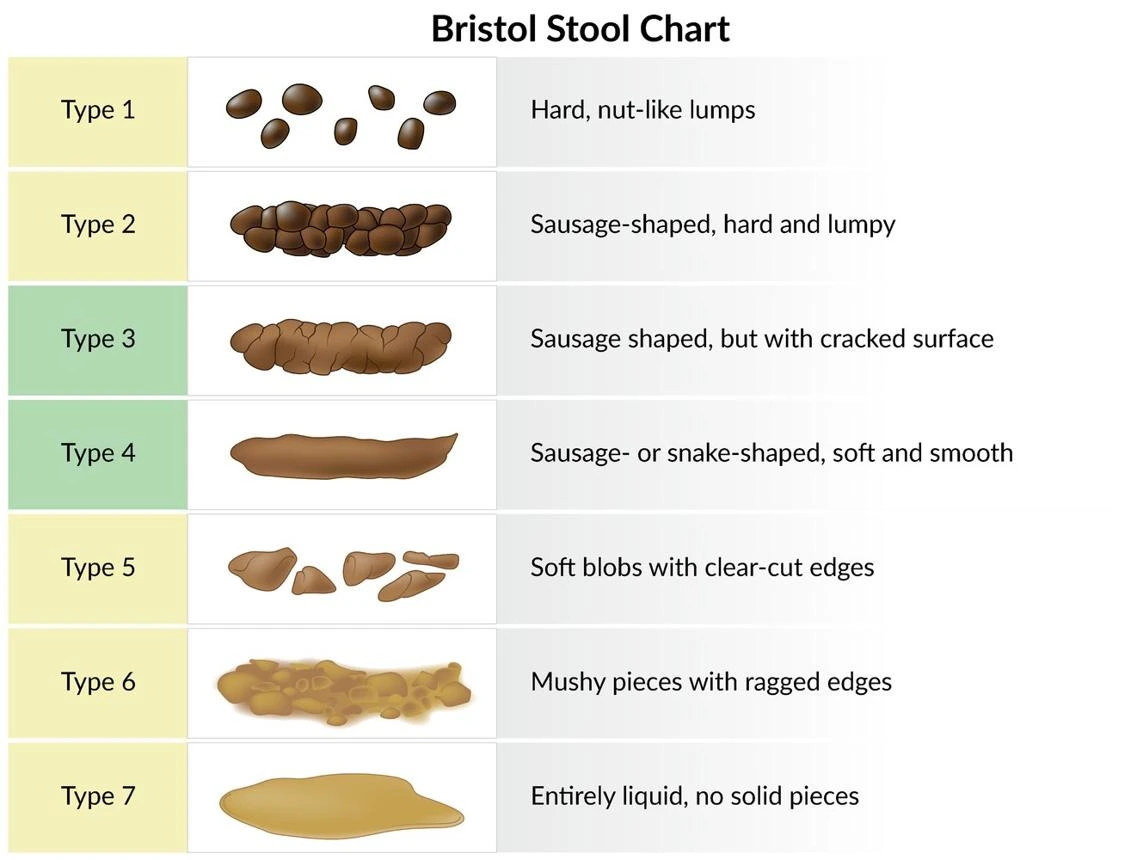
Hard or dry stools, straining, and feeling like you haven’t fully emptied your bowels can all be signs of constipation. The Bristol Stool Chart can help you describe what you notice. Types 1 and 2 show hard, lumpy stools commonly associated with constipation.
Why Gas and Bloating Can Show Up After a Meal
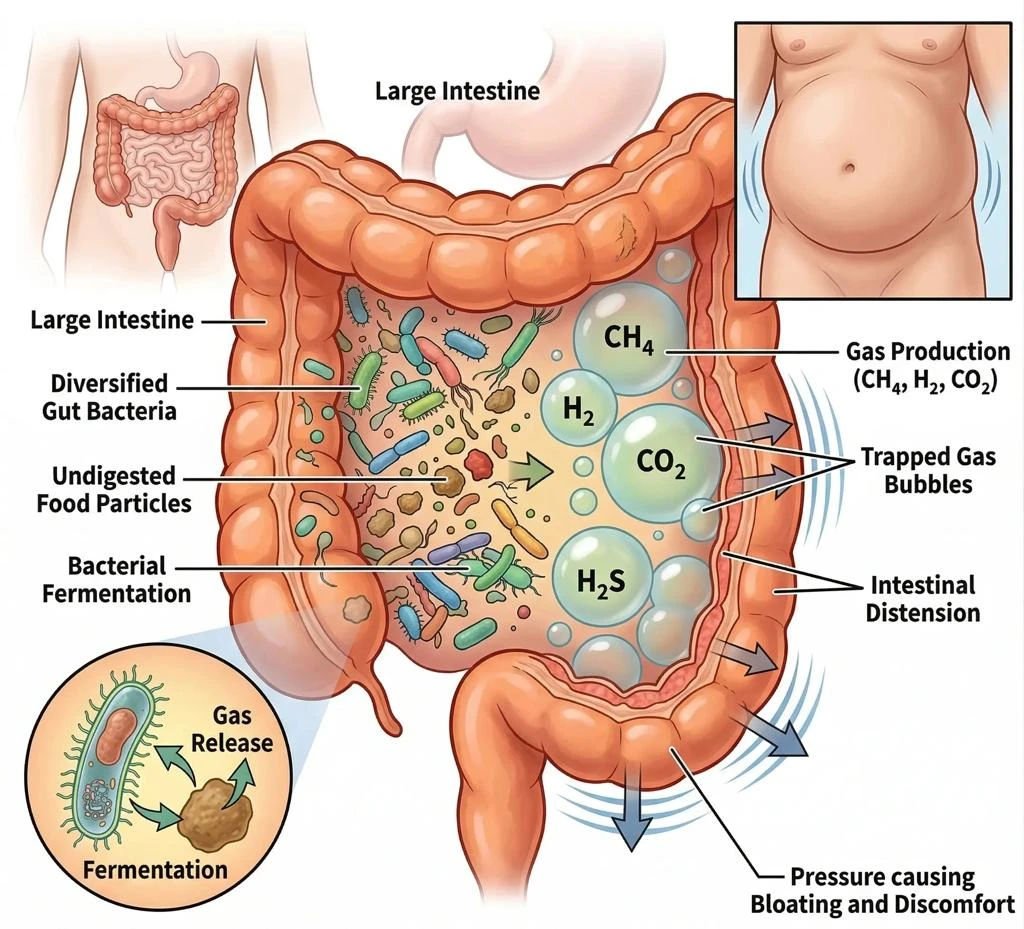
Some gas comes from the air we swallow. More can form when bacteria in the large intestine ferment carbohydrates that weren’t fully digested. This can go along with feeling bloated after a meal. Constipation can also contribute to bloating.
From Daily Care to Comparing Supplements
What You Can Try First
If hard stools are your main concern, take a look at how much fiber you eat, whether you’re drinking enough fluids, and whether you tend to put off going to the bathroom. Increase fiber gradually and drink water throughout the day. If gas tends to show up after meals, try eating more slowly and noting which foods or drinks seem to come before the discomfort.
If symptoms keep coming back, talk with a healthcare professional. Seek medical care right away if constipation comes with persistent abdominal pain, blood in your stool, vomiting, or an inability to pass gas.
When Even a Family Lunch Becomes Something to Worry About
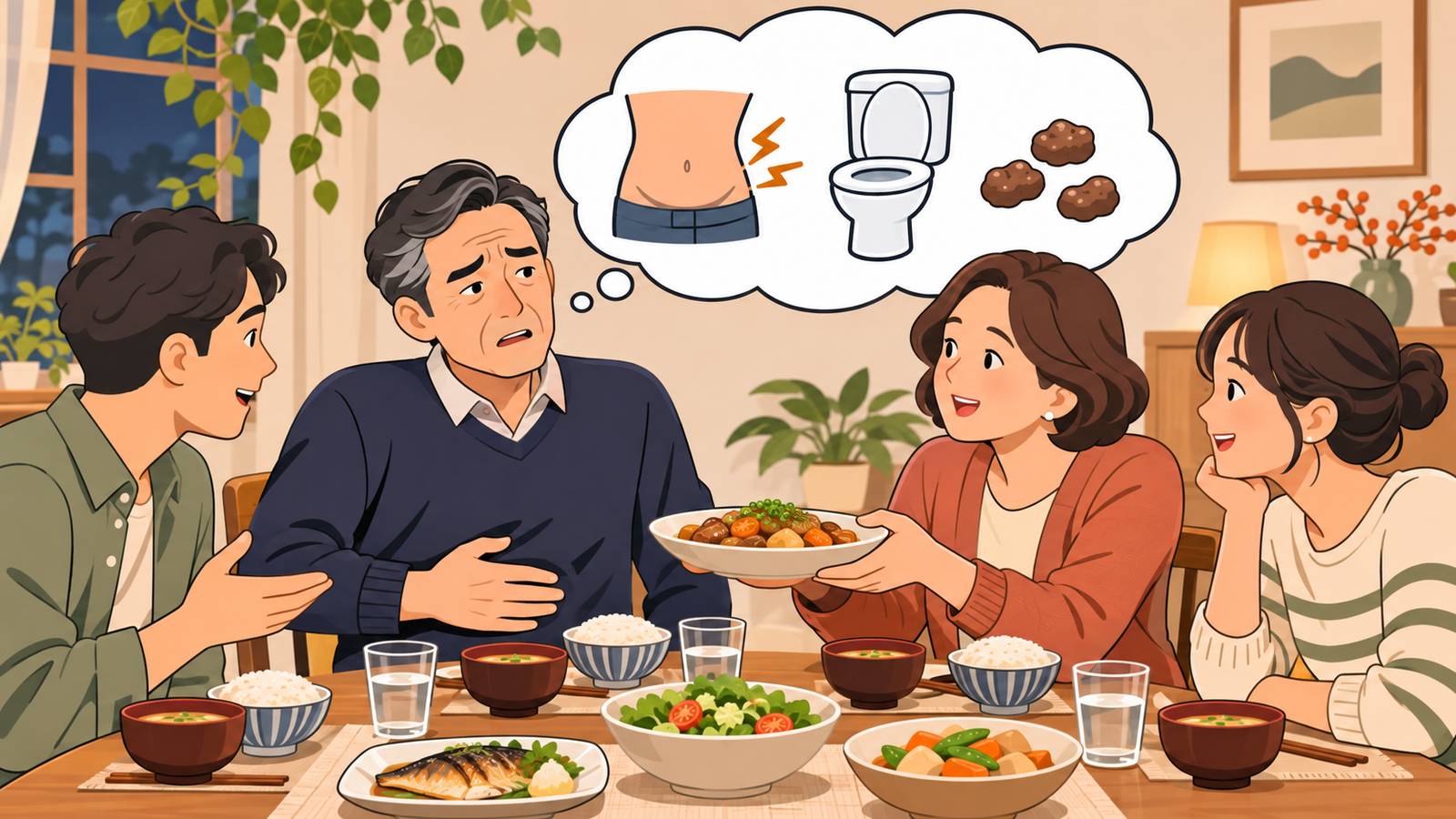
“Want some?”
Your sister passes you the dish you love. You look at it, think for a second, and say you’re good. When someone offers you a soda, you ask for water. You remember how you felt after the last lunch and decide to skip the things that usually bother you.
You were already constipated when you left home. You went to the bathroom that morning, strained, and got up feeling like you still needed to go. Now, in the middle of the conversation, your belly starts to bloat. Your clothes feel tighter. You glance down the hall, trying to remember where the bathroom is and hoping you can slip away quietly if you need to.
When the pressure turns to pain, you get up and say you’ll be right back. You close the bathroom door and wait. Several minutes pass. Through the wall, you hear your sister ask who wants coffee. You try to stand, but the pain makes you sit back down.
Then someone knocks softly.
“Are you okay?”
You almost say “I’m fine” out of habit. But this time you open the door and say quietly:
“Can you stay with me? It hurts, and I need help.”
The Frustration of Trying Something and Still Going Through This
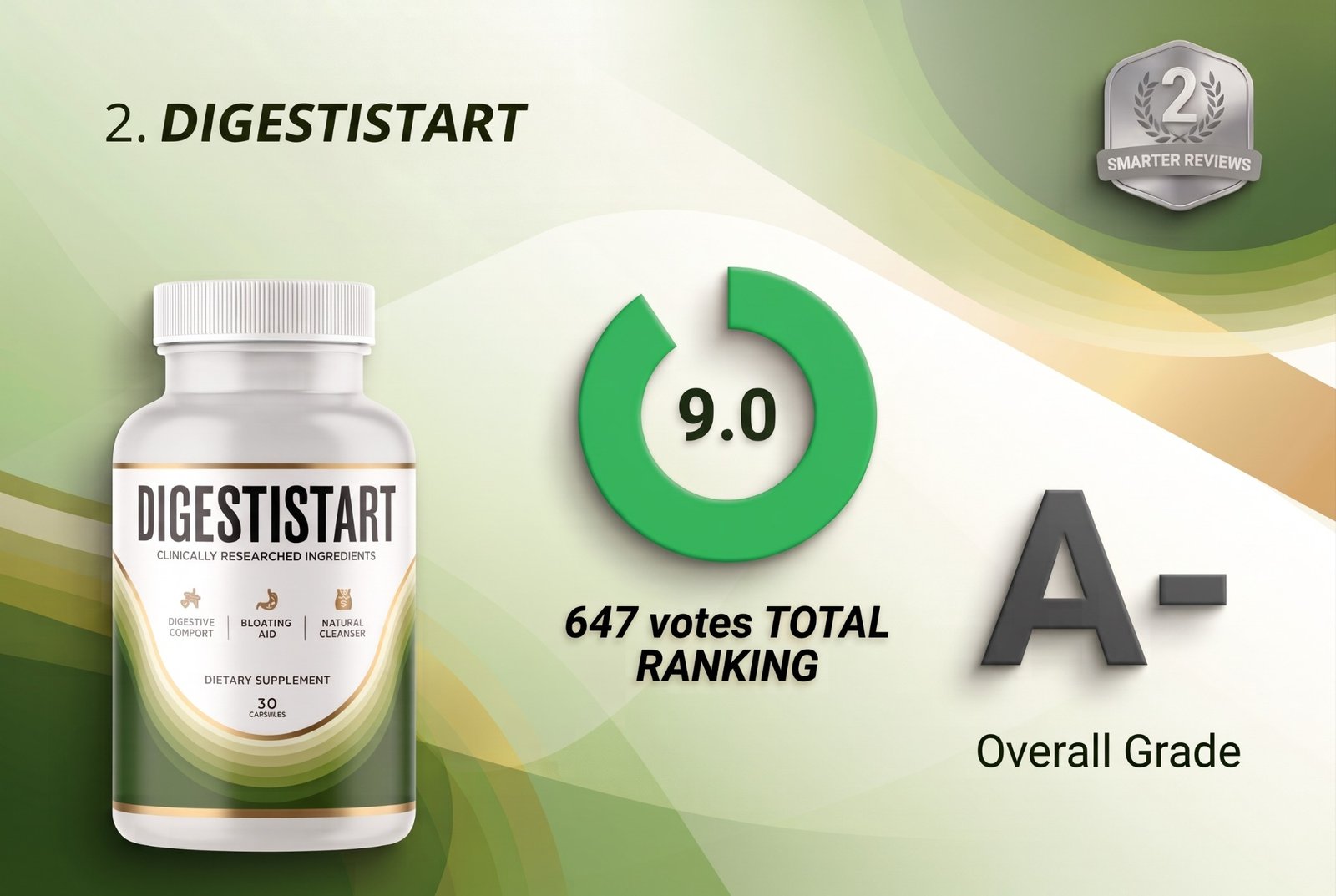
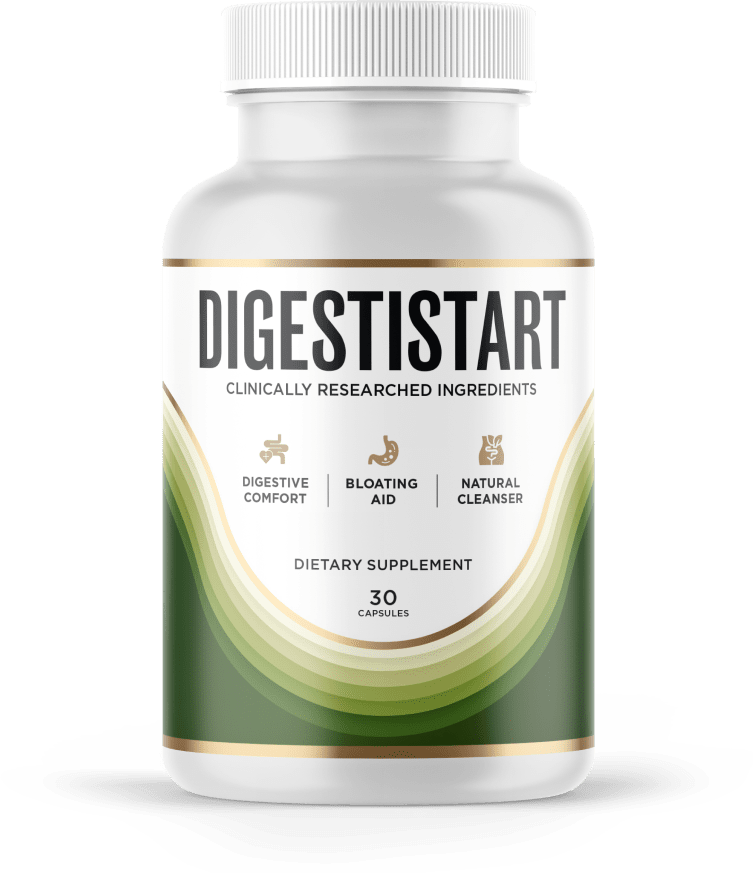
Imagine that, in that moment, you think of the bottle of DigestiStart on your kitchen counter. Someone told you it was good. You started taking it hoping you could put moments like this behind you. Now, as your sister reaches for her phone to help you get medical care, you think, I thought this would help. Why am I still going through this?
That afternoon, your priority is getting care for the pain. Later, when you think about what you bought, you wonder whether it’s worth ordering another bottle just because it was the first one someone recommended.
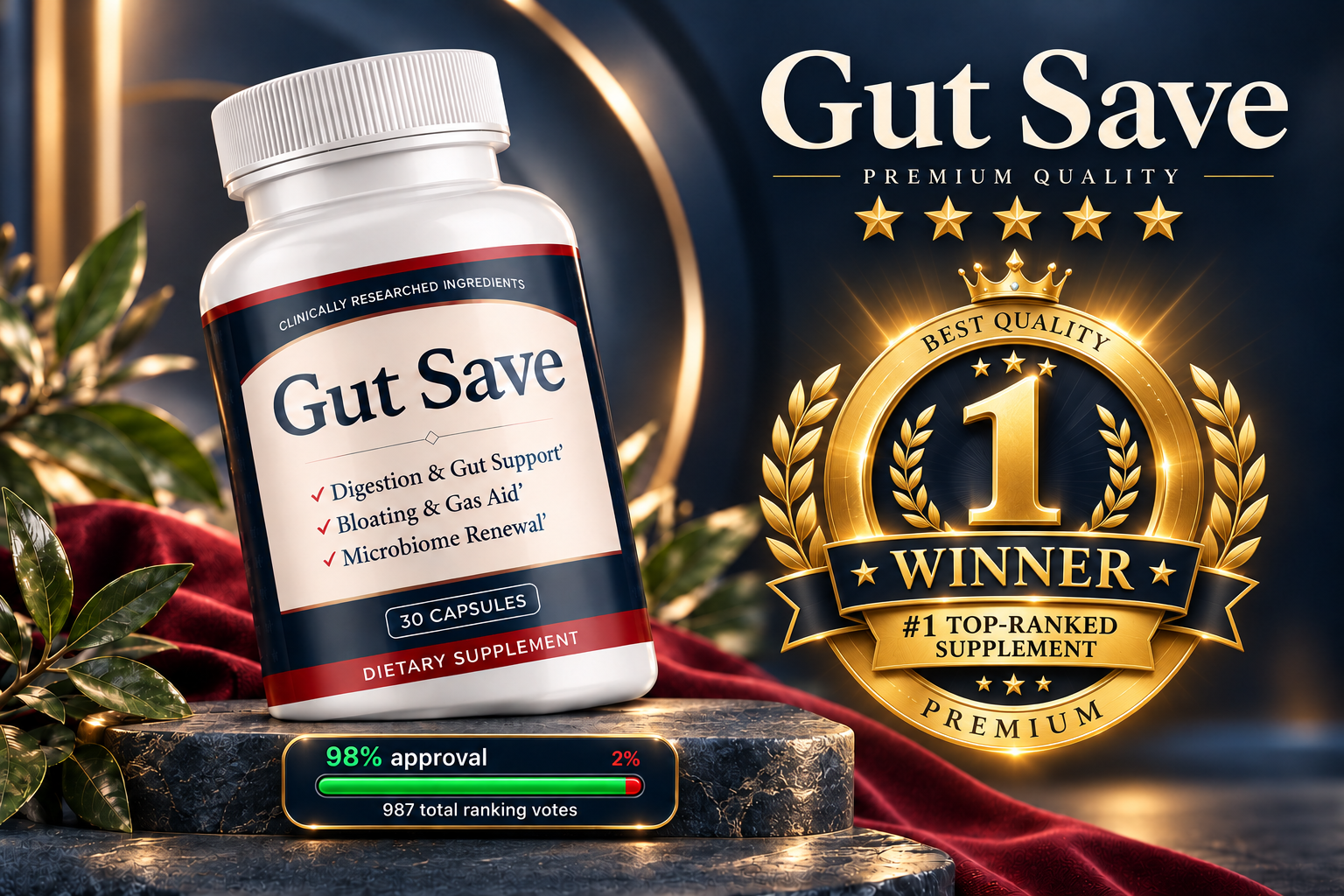
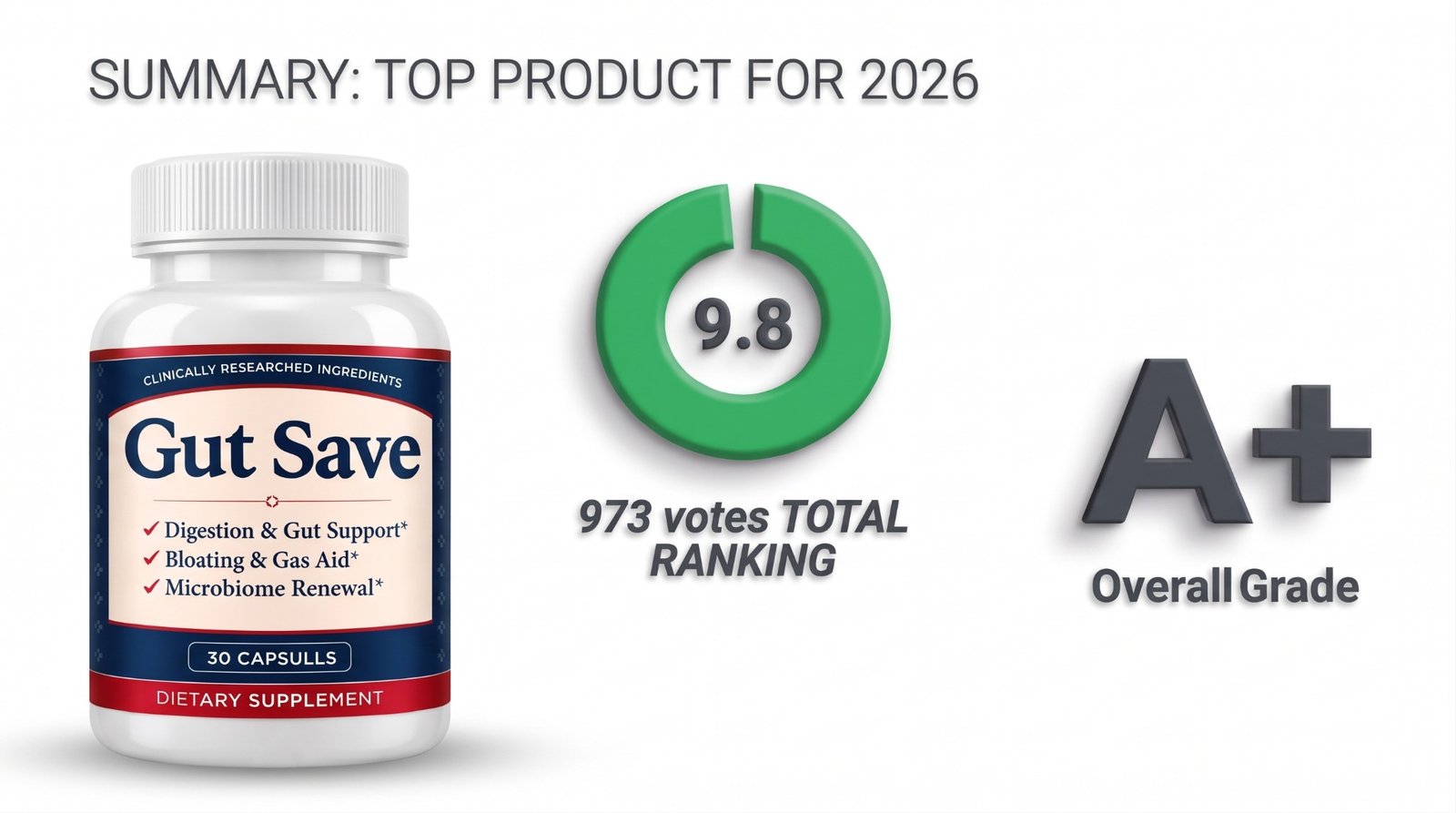
Take a Look at GutSave Before You Buy Another Bottle
There are plenty of options on the market. When the same names keep coming up, it’s easy to go back to what you know, even if the experience fell short of what you’d hoped for.
If that was your experience with DigestiStart, take a look at GutSave before you reorder. It may be a name you haven’t heard in those conversations yet. It’s the alternative we feature in this guide for you to consider at your own pace.
The Truth About Gut Health Supplements: What Really Matters?
To identify the best digestive health supplements, we evaluated each product based on:
- Ingredient Quality – Well-researched ingredients that support digestive health.
- Effectiveness – Evidence of benefits for regularity and digestive comfort.
- Safety & Transparency – Clear labels, appropriate dosages, and no hidden ingredients.
- Customer Satisfaction – Verified feedback from real users.
- Value & Refund Policy – Fair pricing and reliable money-back guarantees.